A thief stole a bicycle on my porch and we have CCTV cameras installed. However, witnesses couldn’t recall the exact time, leaving us with three full days of footage to review. Watching it manually was impractical, especially since the mobile app couldn’t fast-forward remotely as it was not on the same LAN as the DVR.
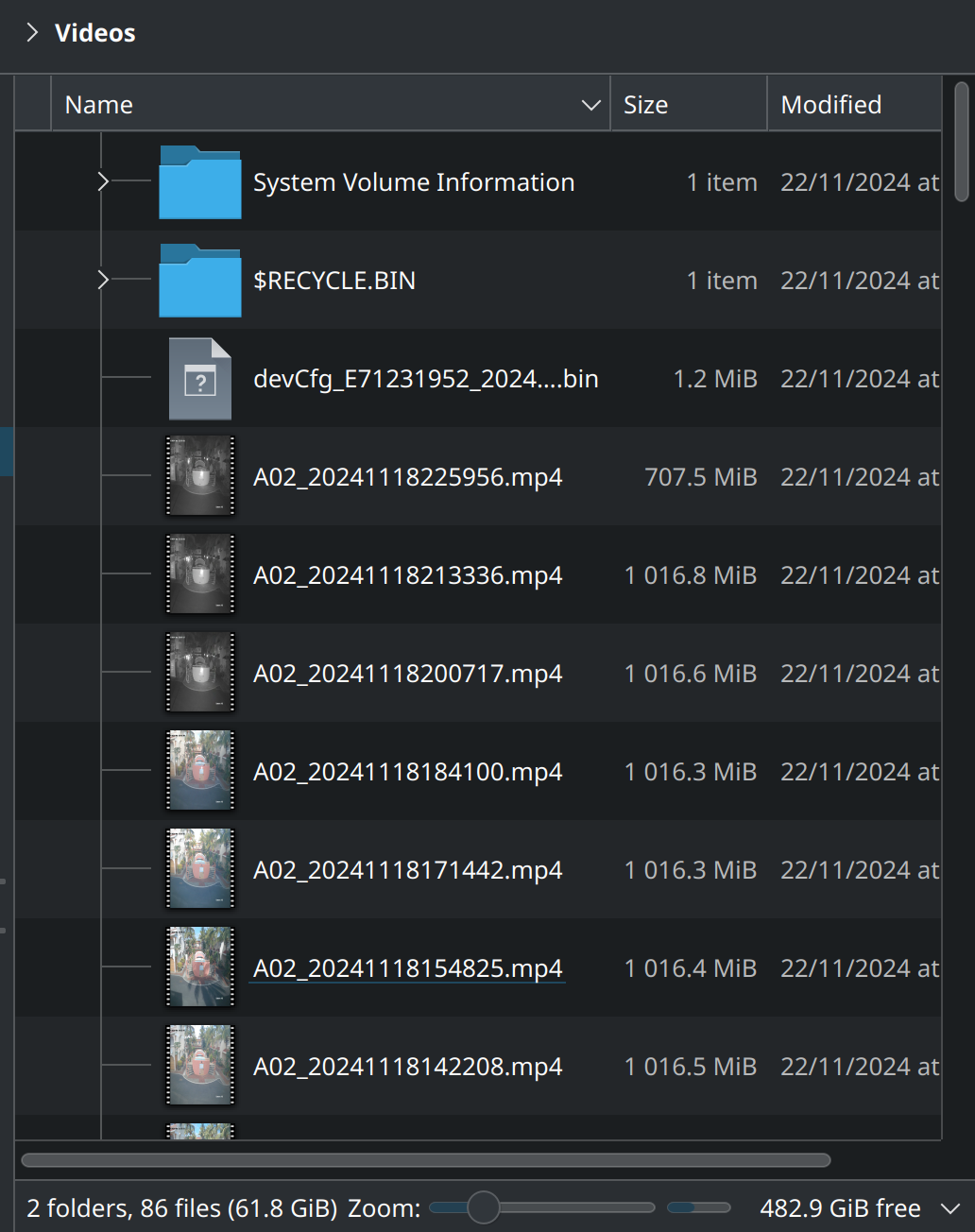
We downloaded all 65 video files from the DVR, but even that was daunting. That’s when I turned to AI.
Using AI to Solve the Problem
I asked ChatGPT to write a Python script to detect bicycles in the footage.




The script worked immediately, but after some testing, I adjusted it to detect people instead—making it faster and more efficient.
It saved only frames with detected persons, reducing hours of video to just the important clips.
Tools and Setup
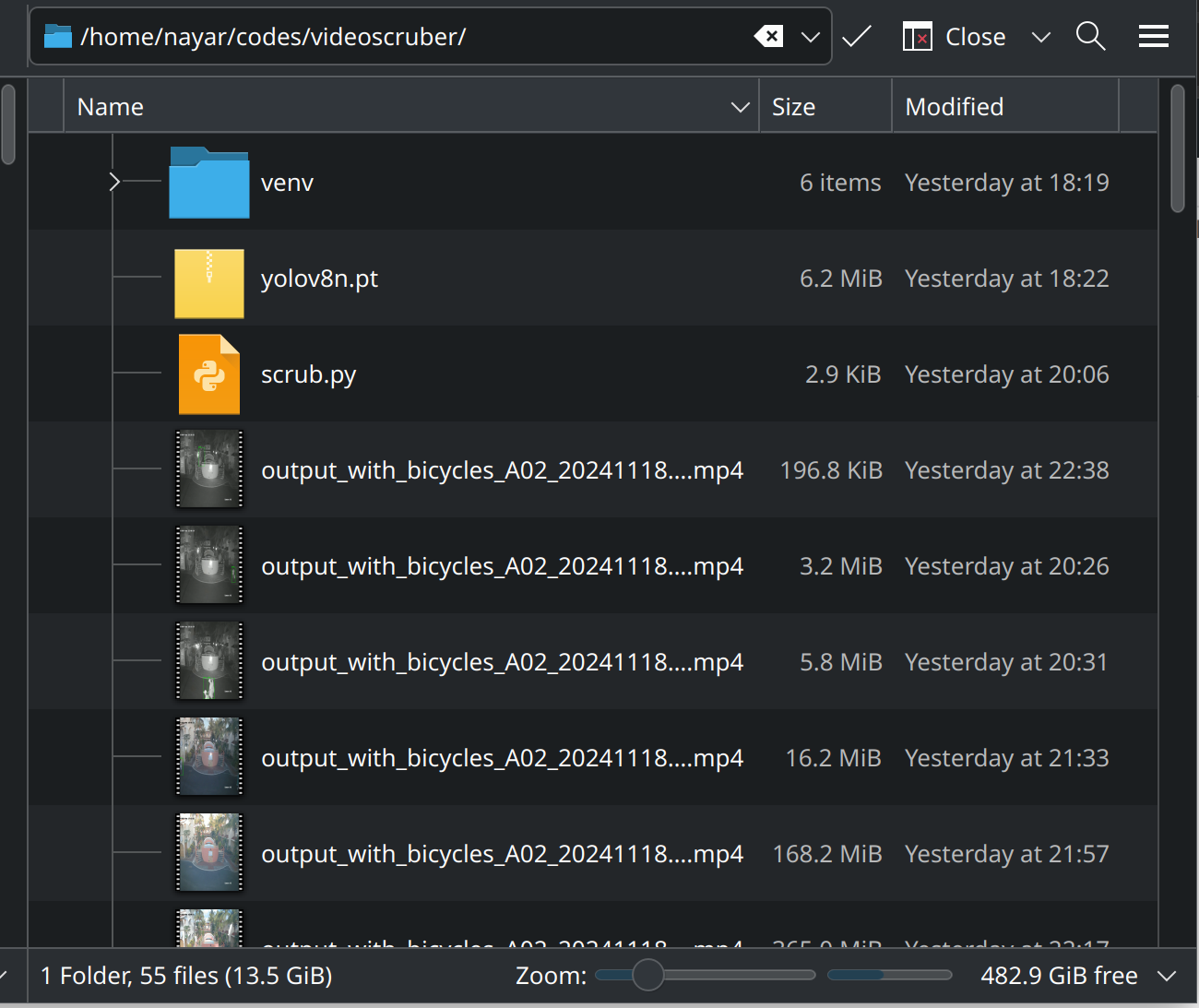
I ran the script on an Ubuntu machine with an NVIDIA RTX 4070 ti super GPU, which processed the footage quickly. What would have taken days was done in almost 3 to 4 hours.
The Moment of Truth
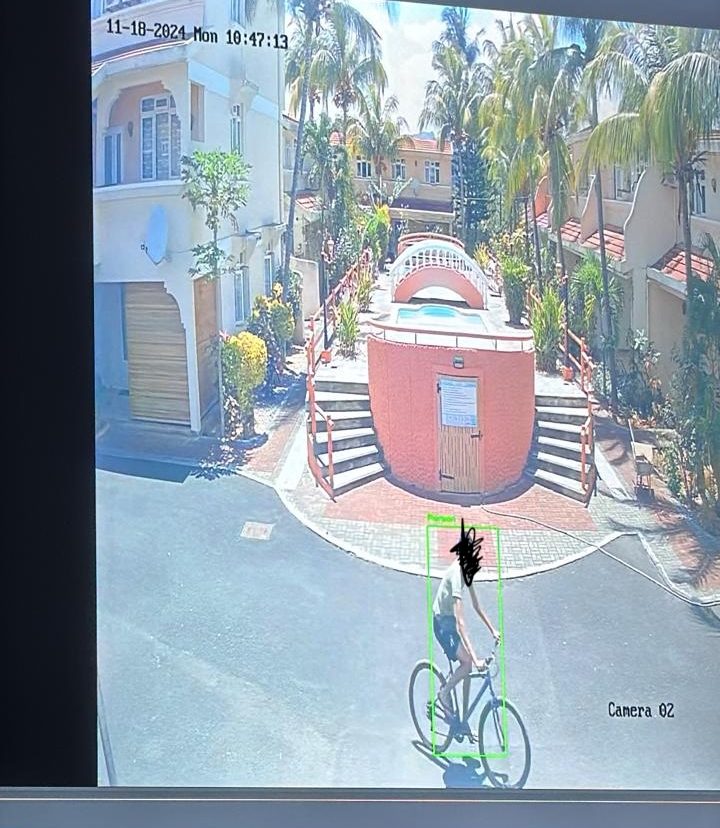
Reviewing the condensed clips, I finally found the thief on camera, riding away with the bicycle.
What do you think is the proper way to bring justice?
It’s really impressive how AI can cut down so much time. I wonder if there are other ways to improve the script’s accuracy when detecting people or objects in such complex footage?
Having some issues so trying to get a contact with iplwincontact. Hopefully, they’re able to help. Will updated when I hear back.
This is a clever use of AI! I’m impressed how you adapted the script from detecting bicycles to people to speed things up. It’s amazing that it cut down days of footage to just the key clips. Great problem-solving!
I didn’t think of switching to person detection—smart move for speed. I’m going to try a lightweight model on my NAS to auto-export clips and send alerts. For justice, I’d provide the condensed footage and exact timestamps to the police and nearby neighbors.
Wow, using AI for something like that is both fascinating and a little unsettling. I vacationed in Flic-en-Flac a few years ago and can totally picture the scenario. Makes you think about the balance between safety and privacy, even in paradise.
Wow, using AI for something like that is both impressive and a little unsettling. It really makes you think about the balance between security and privacy, even in a small community. Great read.
I am sorry you had to deal with a bike theft, but using an RTX 4070 to narrow down three days of footage is a clever workaround. It is frustrating how difficult it is to get justice even when you have video evidence of the culprit.
I found the discussion around recent posts worth thinking about. It made me consider how small choices in a creative workflow can change the final result.
I found this take on recent posts useful. It connects the idea to practical creative workflows, especially for people exploring faster video drafts and visual experiments.
I liked how “Recent Posts” breaks the subject into approachable details. That kind of clear framing makes it much easier for readers to take something useful away. One detail I found useful was this: However, witnesses couldn’t recall the exact time, leaving us with three full days of footage to review.
Using a Python script to filter hours of CCTV footage is a clever application of computer vision. It is fascinating how this technology streamlines detection tasks, much like how developers use a gesture synth to map physical movements into creative browser instruments. Automating the identification of people in frames saves significant time compared to manual review, and I wonder if similar object-tracking logic could be adapted for real-time human-computer interaction projects.
The detail that the script was initially built to detect bicycles, then changed to people to speed things up, is a smart practical trade-off. But does using a general object detector for CCTV raise false negatives or privacy concerns when scanning days of footage? A tighter pipeline with motion zones might be more auditable.
reacion time test
Reducing 65 files to just a few key clips by detecting people instead of the bicycle was a smart pivot for efficiency. While that narrows down the evidence, piecing together the broader context around what happened can still be tough, which is where looking at how everyone else is discussing a viral moment comes in handy — like seeing the stories people are sharing turned into a daily feed of funny songs inspired by trending news.
Great example of practical AI – narrowing three days of CCTV footage down to frames with people in them is far more useful than most demos. Switching detection from bicycles to people to speed things up was a smart tweak.
Clever use of a ChatGPT-written Python script to scan three days of footage. Switching from bicycle to person detection is a nice example of iterating on the problem rather than the tool.
Sifting through 65 video files by hand sounds like a nightmare, so smart to use detection to isolate just the frames with people and cut days of footage down to a few hours. The challenge of finding one specific target in hours of raw data reminds me of how state and season bird guides help narrow down what to look for instead of trying to identify everything at once. Best of luck getting the footage sorted out.
Switching the detector from bicycles to people is a practical shortcut, since the goal was to find frames worth reviewing rather than classify every object. I’d still preserve the original footage, timestamps, and script logs and give them to police rather than confront the thief. How would you document the clip’s chain of custody if this went to court?
couple quiz results
The detail that stands out is switching from bicycle to person detection, which cut days of footage to a few GPU hours. For justice, I’d prioritize preserving the original clips and handing a timestamped copy to police rather than confronting the thief; does local law treat CCTV identification as sufficient evidence?
handwriting analysis
Switching the script from detecting bicycles to detecting people is a clever optimization, since the thief has to appear in frame anyway. Going from 65 video files and three days of footage to a handful of saved frames is a great real-world use of a quick Python script. Did the police manage to identify the person from the stills?
I once gave up scrubbing days of porch CCTV after a bike theft, so condensing 65 files down to person-detected clips sounds like sweet relief. Glad you caught the thief riding off; I’d take that footage straight to the police.
Brilliant use of AI. Switching from detecting bicycles to detecting people to cut 65 files down to the frames that matter is a smart move, it’s much more reliable than relying on witnesses’ memory of the time. Did running it on the RTX 4070 Ti get through three days of footage quickly?
Downloading all 65 files from the DVR and letting a script save only the frames with a person in them is a very practical way to get through three days of footage. Switching from bicycle detection to person detection makes sense, since the thief has to show up before the bike goes. Sorry about the bike, hope the footage helped.